
How to Choose an OEM/ODM Partner Without Regret
Voheal — OEM & ODM Skincare and External Healthcare Manufacturing
2026
Keywords: fingertip pulse oximeter manufacturer, pulse oximeter wholesale supplier, pulse oximeter OEM manufacturer, private label pulse oximeter supplier, portable pulse oximeter manufacturer, fingertip vs handheld pulse oximeter
Abstract
A fingertip pulse oximeter looks like a commodity. Two units can share the same shell, the same display color, and a near-identical price per piece, yet one passes a buyer’s incoming inspection and the other generates a season of returns. The difference is almost never visible on the product photo. It sits in three places: the calibration and validation you cannot see, the quality and regulatory documentation that proves it, and the manufacturing flexibility that decides whether a private-label programme succeeds or stalls. This essay argues that wholesale and OEM buyers should select a fingertip pulse oximeter supplier on those three pillars — accuracy, documented compliance, and genuine OEM/ODM capability — rather than on the lowest quotation. It walks through what the device actually measures, how accuracy is established, why a device is a system rather than a sensor, and what to verify before committing to a purchase order.
Introduction
Search “fingertip pulse oximeter manufacturer” and you will find thousands of suppliers who look interchangeable. Almost all of them will quote a price within a few cents of each other, attach a specification sheet with the same headline numbers, and promise “high accuracy.” For an importer, distributor, pharmacy chain, or private-label brand, this sameness is a trap: it encourages a decision based on unit cost alone, precisely the decision that produces recalls, chargebacks, and lost retail listings downstream.
A fingertip pulse oximeter estimates peripheral oxygen saturation (SpO₂) and measures pulse rate using an optical sensor, providing readings without a blood sample. Our own fingertip range is built for convenient spot-check monitoring, with model-specific specifications available for buyers evaluating display options, measurement performance, power supply, and OEM customization. But no honest supplier will pretend that every device is equal, and a serious buyer should not assume it.
This essay takes a position. A supplier should be chosen on three pillars, in this order of importance: measurable accuracy, documented quality and regulatory readiness, and real OEM/ODM flexibility plus supply reliability. Price matters — but only after those three are satisfied, because the cheapest quote is frequently the most expensive partnership once defects, delays, and compliance gaps are counted. By the end of this essay a buyer should know exactly which questions to ask, which documents to request, and which answers should end the conversation.
Product Highlights
Our fingertip pulse oximeter range is built for convenient spot-check monitoring, with model-specific specifications available for buyers evaluating display options, measurement performance, power supply, and OEM customization.
- SpO₂ and pulse rate measurement
- Compact fingertip design for portable use
- Digital display for reading measurement results
- Battery-powered operation, depending on the model
- Product options for distributors, importers, and private-label brands
- Specification and sample evaluation available for qualified purchasing enquiries
Please confirm the exact model specifications before publishing numerical performance claims.
1. What Does a Fingertip Pulse Oximeter Measure?
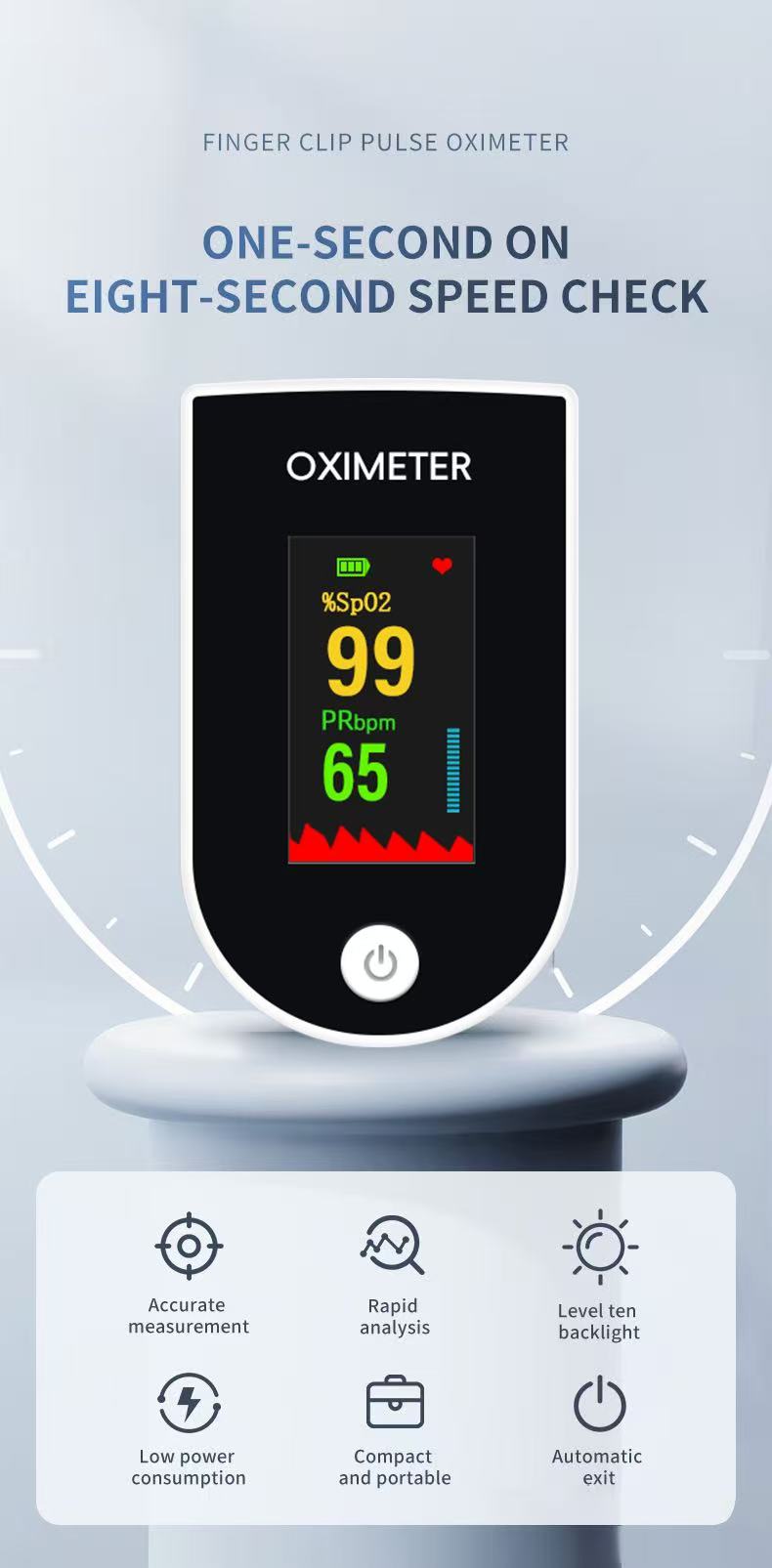
A fingertip pulse oximeter estimates blood oxygen saturation (SpO₂) and measures pulse rate using light-based sensing technology. The results can support oxygen-level monitoring when interpreted appropriately alongside symptoms and professional medical advice. SpO₂ and pulse rate are separate measurements, so buyers should verify that both are supported by the selected model.
This distinction matters commercially. A model that displays only SpO₂ is not the same product as one that reports both SpO₂ and pulse rate, and a listing that implies otherwise invites disputes. For distributors, the practical question is not whether the device “measures oxygen” in the abstract but which parameters the exact model reports, in what range, and with what documented accuracy.
Key parameters: SpO₂ measurement range: [insert verified range]; pulse rate range: [insert verified range].

2. How Accurate Is This Pulse Oximeter?
Pulse oximeter accuracy must be evaluated using the performance specifications and supporting test data for the exact device. Accuracy claims should identify the applicable measurement range and use the manufacturer’s documented results rather than relying on general claims such as “high accuracy.” Readings can also be affected by factors including circulation, skin temperature, movement, and skin pigmentation.
Two devices that look identical can diverge sharply once they leave the showroom. One has been validated against a controlled desaturation study with a documented accuracy figure across a stated SpO₂ range; the other has been assembled from a reference design with no validation at all. From the outside, the difference is invisible — which is exactly why documentation, not appearance, should drive the decision.
Key parameters: SpO₂ accuracy: [insert verified specification]; pulse rate accuracy: [insert verified specification]. These figures must be supported by the relevant product documentation.
3. Is a Fingertip Pulse Oximeter Reliable for Routine Monitoring?
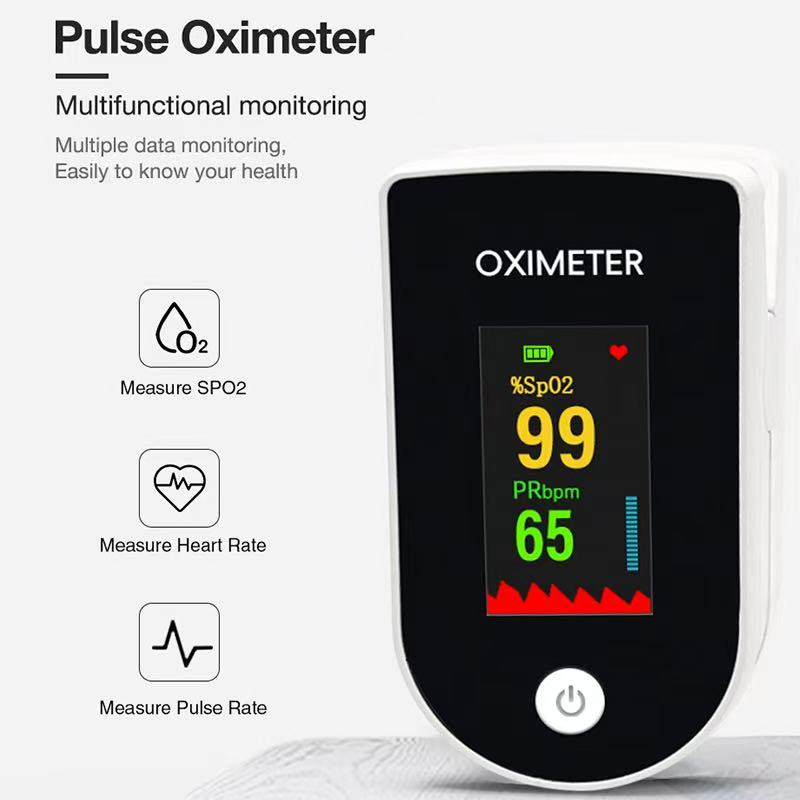
A fingertip pulse oximeter is generally designed for spot-check measurements rather than uninterrupted monitoring. Stable readings depend on appropriate finger placement, sufficient signal quality, and remaining still during measurement. Buyers evaluating a model for professional use should review its performance under the conditions relevant to their intended application — cold extremities, low perfusion, and patient movement are the conditions under which cheap designs fail.
Key parameter: Measurement time: [insert verified seconds per reading, if tested].
4. What Display Options Are Available?
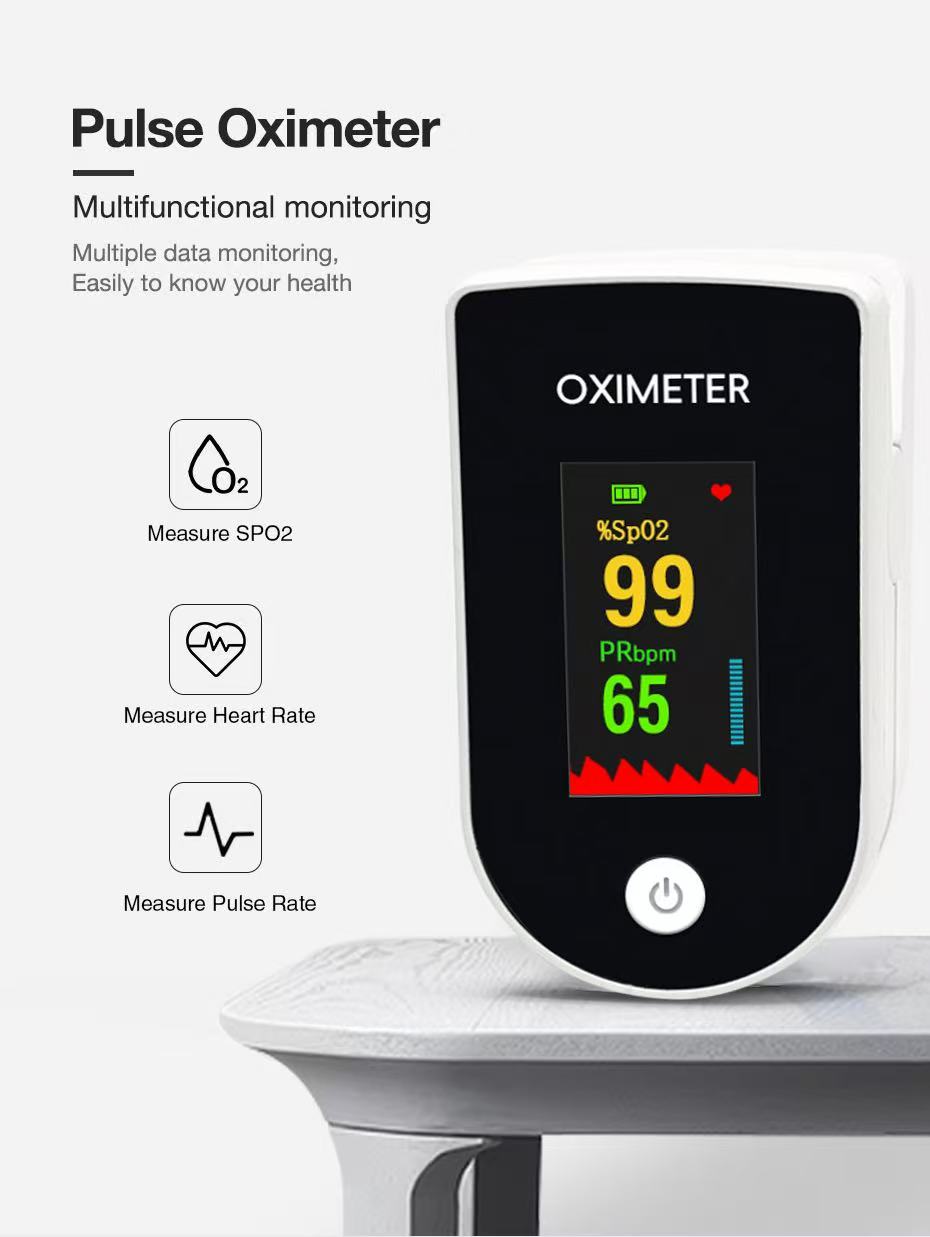
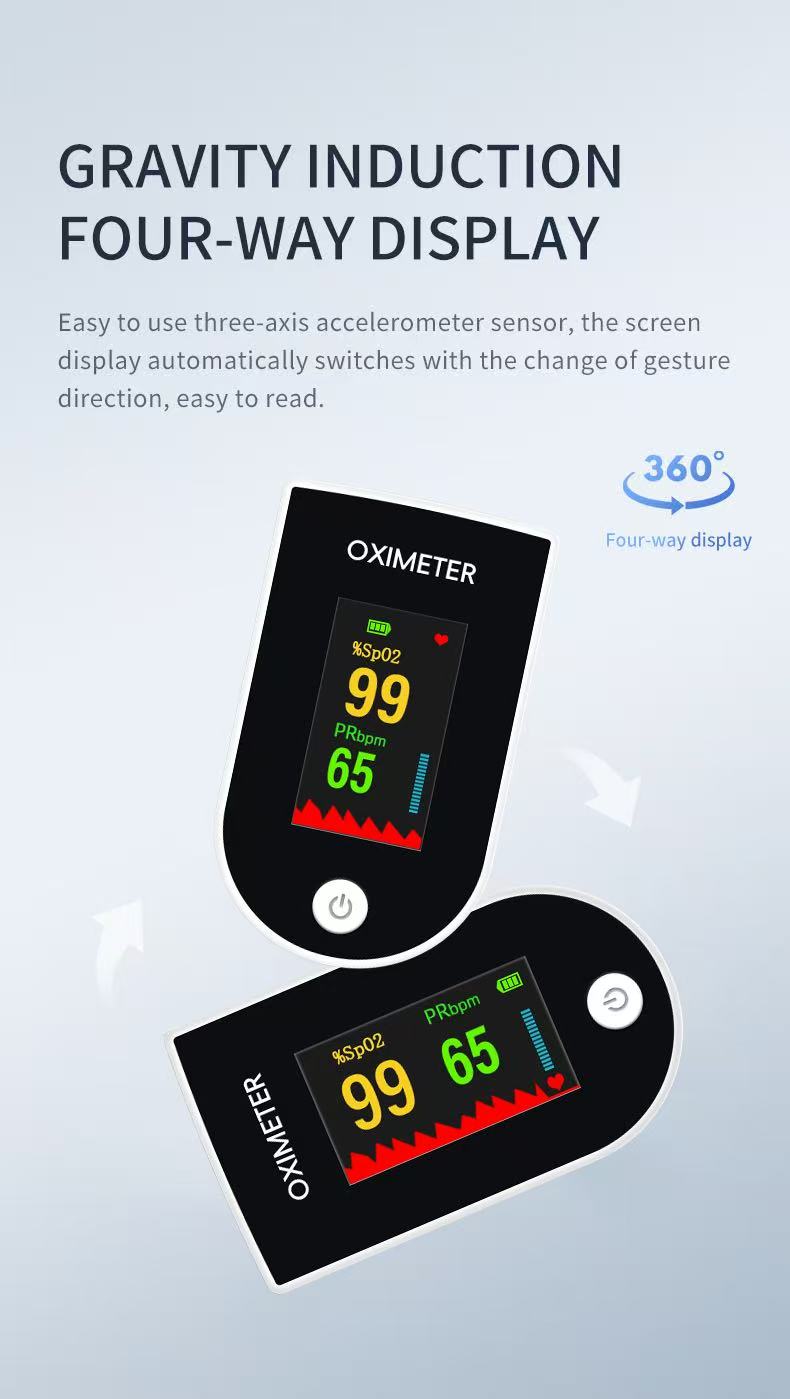
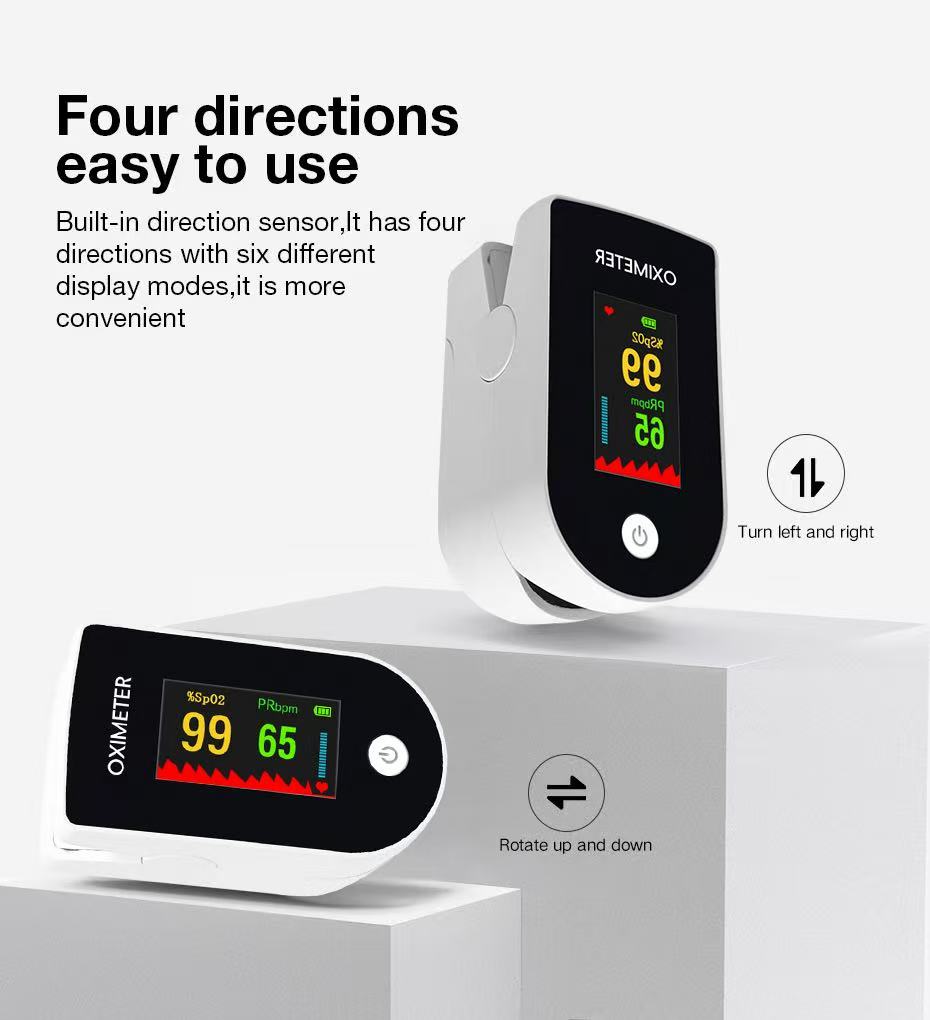
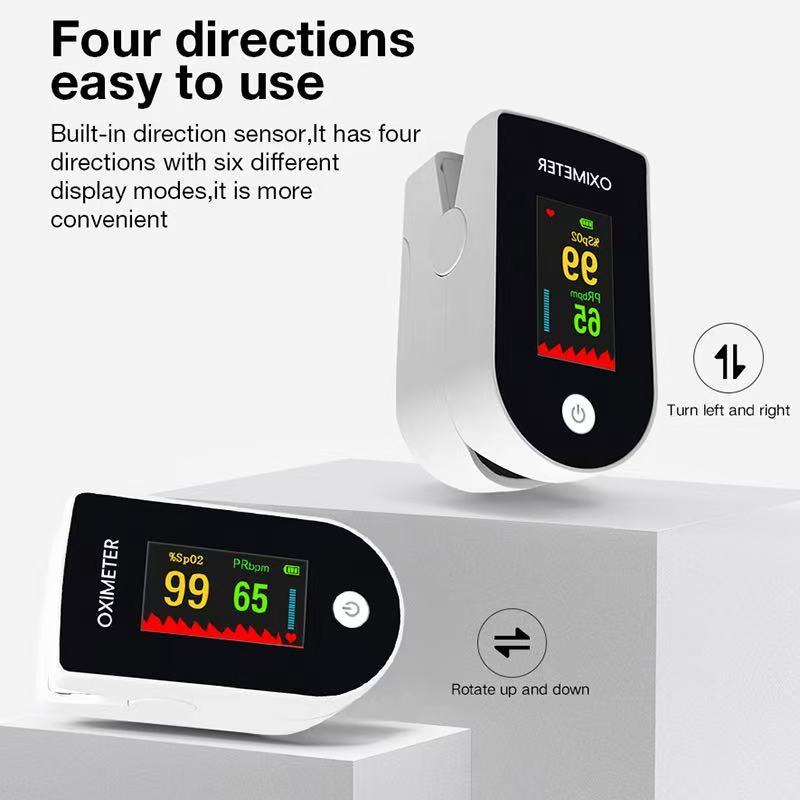
Display configuration affects readability and user convenience, particularly for home users, caregivers, and healthcare professionals. Depending on the selected model, options may include LED or OLED screens, adjustable viewing orientation, pulse-rate display, and a plethysmographic waveform. Confirm the actual display features before specifying them in product listings or purchase agreements.
The screen is where most users form their entire opinion of the device. A bright OLED panel that stays legible outdoors, an orientation that flips automatically so a caregiver can read it while standing behind the user, and a clear pulse-rate rendering all reduce support calls and returns. These are not cosmetic choices — they are the difference between a product that feels considered and one that feels cheap.
Key parameters: Display type: [LED/OLED]; screen orientation: [fixed/adjustable]; waveform display: [yes/no].
4.1 The Device Is a System, Not a Sensor
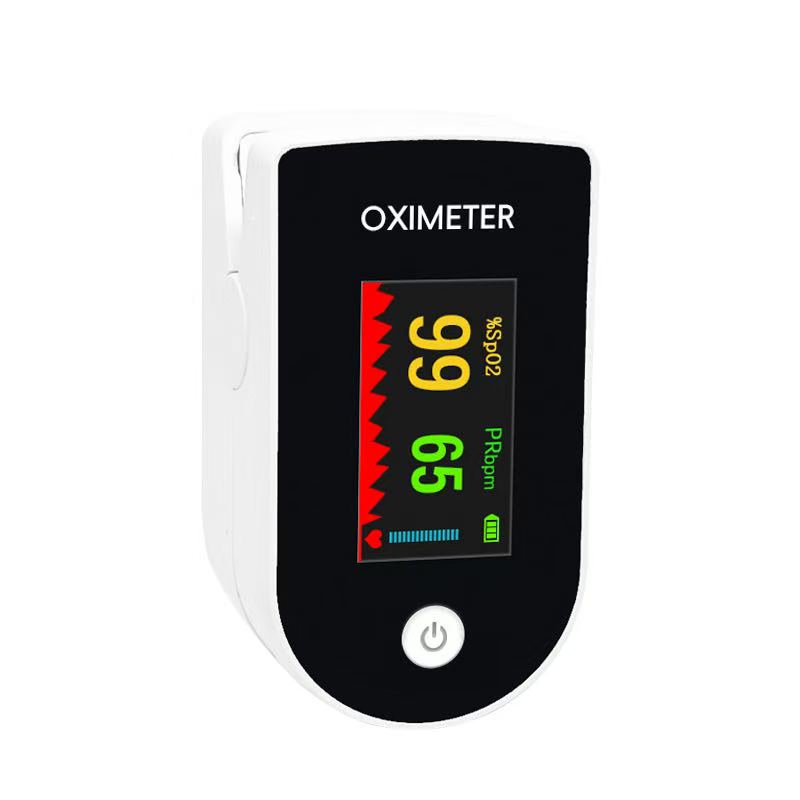
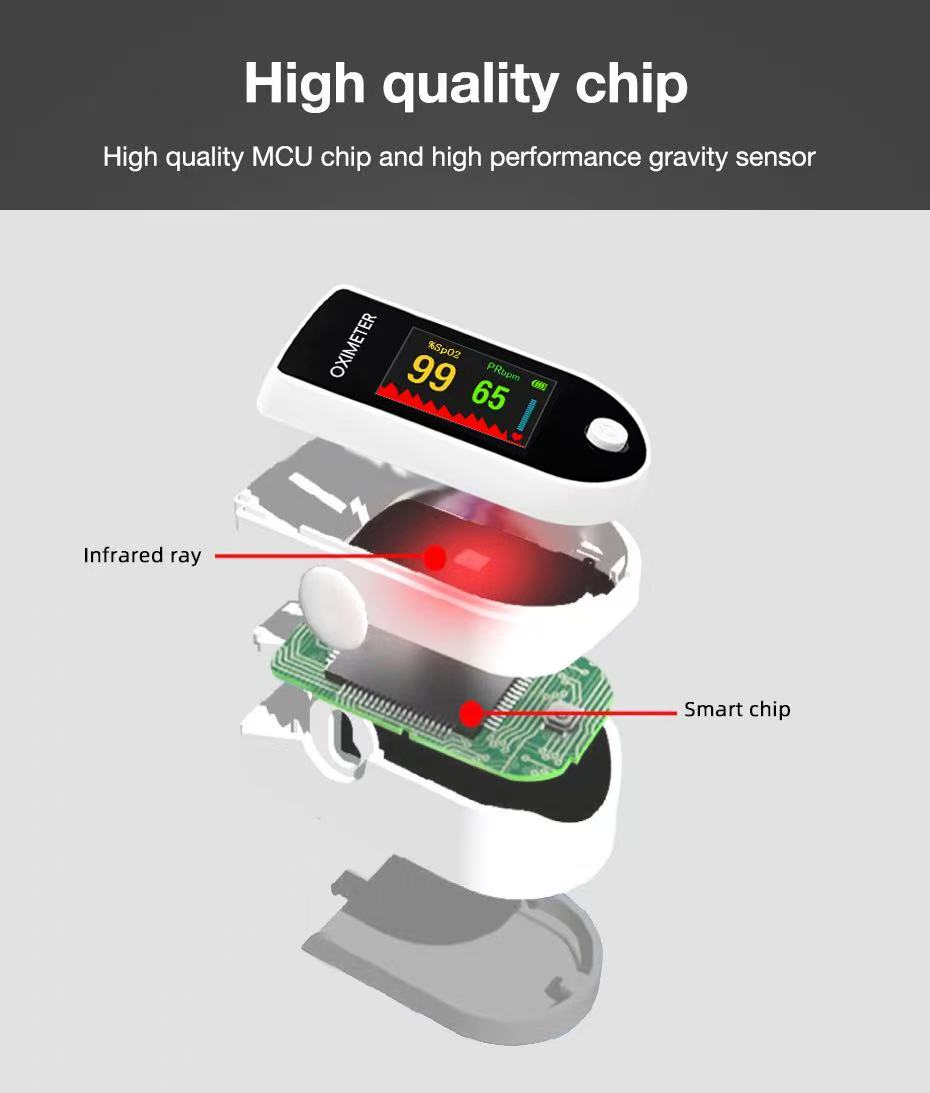
Buyers often evaluate a pulse oximeter as though it were a single component. It is not. A usable reading depends on the interplay of several subsystems working together: the optics that emit and detect light, the sensor placement inside the finger chamber, the firmware that averages samples and rejects motion, the processing that converts raw signal into a stable number, and the orientation sensing that decides how the result is displayed. A weakness in any one of these can undermine an otherwise good design.
4.2 Why Small Design Decisions Drive Returns
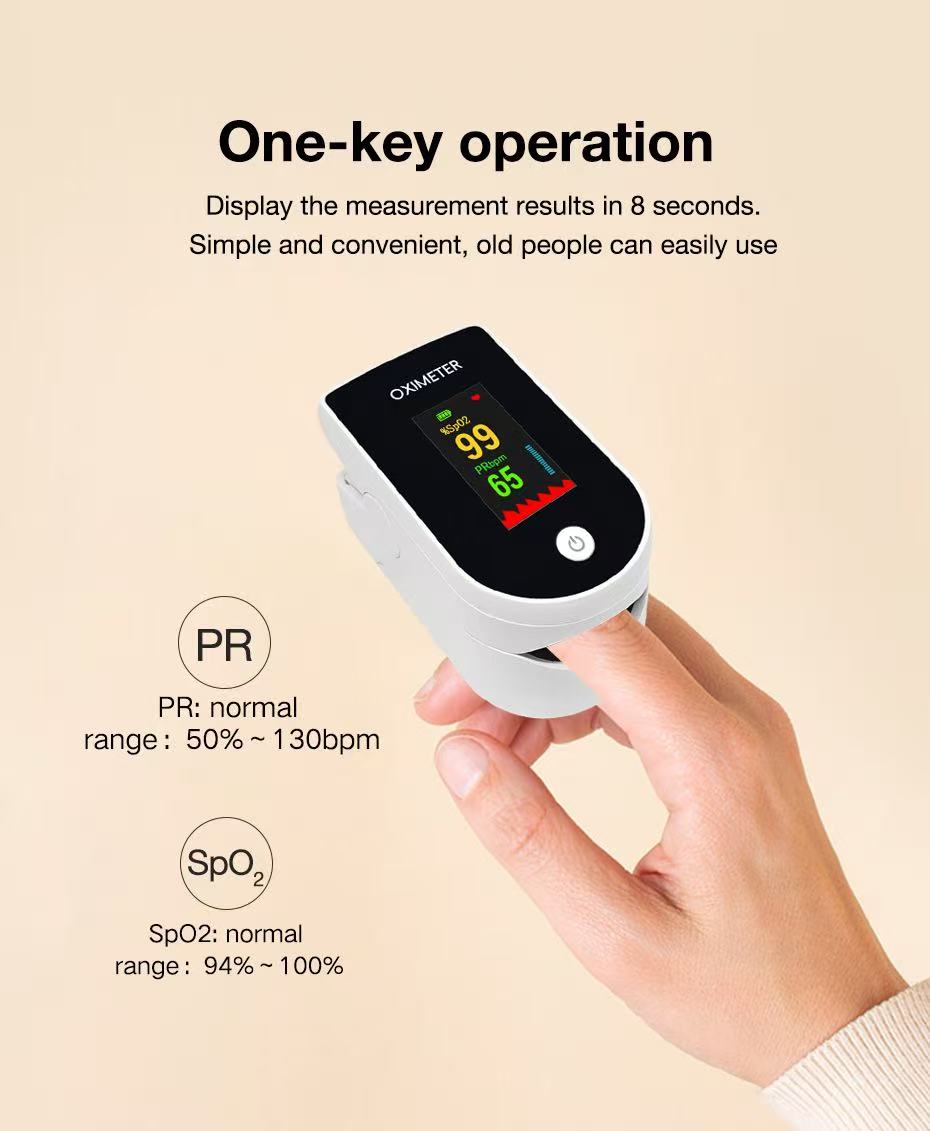
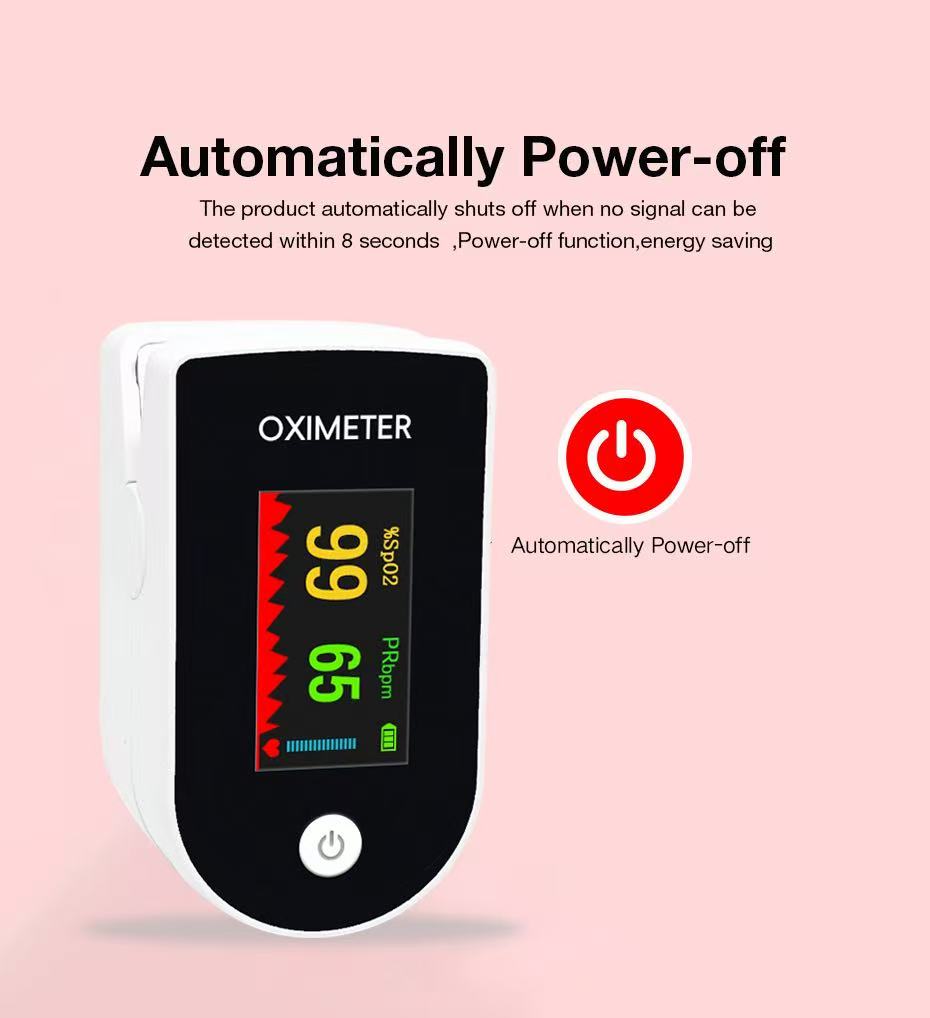
The features users notice first — a readable screen, a one-button start, an automatic shutdown — are also the ones that most affect return rates and customer satisfaction. A device that is fiddly to operate disappoints at the moment of first use, and that impression is difficult to recover from, however good the underlying measurement may be.
5. How Long Does the Battery Last?
Battery performance affects operating costs, convenience, and customer satisfaction for distributors and end users. Actual operating time depends on the model, battery type, usage pattern, and power-management design. Suppliers should provide a tested operating-time figure rather than an unsupported claim of “long battery life.”
Power management is where engineering discipline shows. A well-designed unit combines efficient components, sensible duty cycles, and an automatic power-off that prevents a device from draining itself when a user sets it down and forgets it. That single feature removes one of the most common consumer complaints.
Key parameters: Power supply: [insert battery type or rechargeable configuration]; operating time: [insert verified duration].
5.1 Is This Pulse Oximeter Portable?
A compact fingertip design allows the device to be carried and used at different locations without a large monitoring setup. Portability is particularly relevant to distributors supplying home-monitoring products, travel-related health products, and general healthcare equipment. Buyers should compare physical dimensions and weight to determine whether a device suits their target market.
Key parameters: Product dimensions: [insert verified mm]; net weight: [insert verified g].
6. Materials, Comfort and Clinical Durability
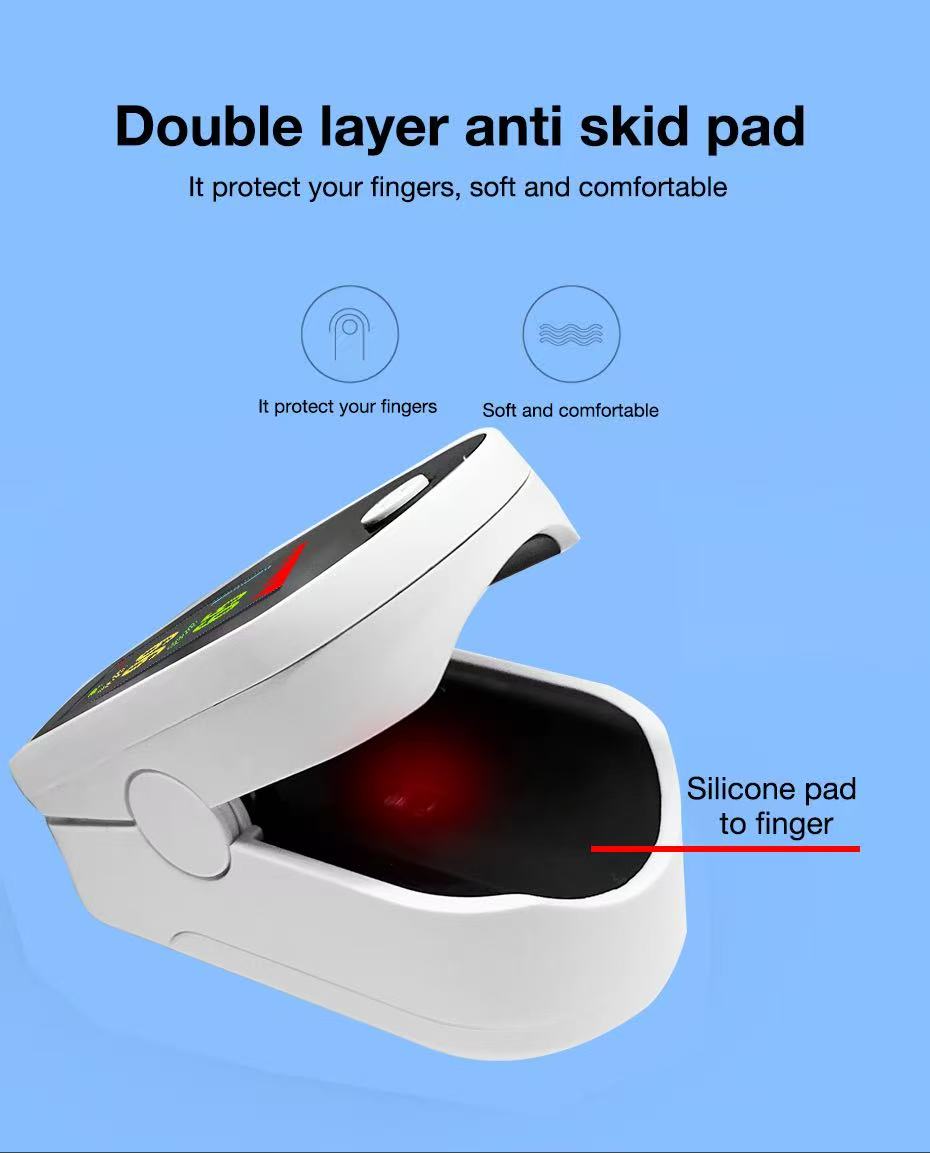
Comfort is not a cosmetic concern. A finger clip that pinches will be used less; a housing that cracks will be returned; padding that degrades will undermine repeat purchases. The details that matter are the ones a buyer can feel in a sample: the fit of the clip, the texture and resilience of the finger padding, and the robustness of the housing under normal handling and cleaning.
Buyers should also confirm how a device is intended to be cleaned and whether its materials tolerate the disinfection practices of the target setting. A model specified for home spot checks and one intended for repeated cleaning in a clinic are not interchangeable.
7. Quality Systems and the Documentation Trail
The products a supplier can ship are ultimately limited by the quality system behind them. A capable manufacturer maintains incoming inspection for components, in-line checks during assembly, functional and accuracy testing of finished units, and batch traceability that links a shipped device back to its production record. This is the evidence a distributor needs when a customer, retailer, or regulator asks a hard question.
Buyers should treat the ability to produce this documentation as a screening criterion, not an afterthought. A supplier who cannot show inspection records for a given model is telling you, indirectly, how that model was made.
8. Regulatory Pathways: FDA, CE, ISO 13485
Regulation is a gate, not a formality. A fingertip pulse oximeter is a regulated medical device in most markets, and the applicable requirements depend on the destination. Buyers should verify, for the exact model, which quality-management and product-safety standards the manufacturer operates under and what regulatory status the device carries for the target country.
Relevant frameworks typically include ISO 13485 for quality management; IEC 60601-1 for general medical electrical safety and IEC 60601-1-2 for electromagnetic compatibility; the device-specific standard for pulse oximeters; and, for market access, a premarket submission in the United States or conformity assessment under the EU Medical Device Regulation. Regulatory status should never be inferred from a product’s appearance or from a generic “medical-grade” marketing claim.
9. OEM/ODM Flexibility and Private Label
OEM and private-label options can help distributors build a branded product range without developing a device entirely from scratch. Depending on manufacturing capabilities, customization may include logo printing, packaging artwork, color options, and selected product configurations. Confirm available customization options, minimum order requirements, artwork procedures, and lead times directly with the supplier.
Key customization details: Logo: [available options]; packaging: [available options]; customization lead time: [confirm with supplier].
The value of OEM/ODM is not only the logo on the housing. It is the supplier’s willingness and ability to adjust configuration, artwork, language, and packaging to fit your market — and to do so repeatably across re-orders. A partner who customizes brilliantly once and drifts on the second order has not solved your problem.
9.1 Does the Supplier Offer Data Recording or Bluetooth?
Data storage and wireless connectivity vary by model and should not be assumed to be standard features. Buyers seeking trend analysis or remote access should confirm whether the device supports onboard memory, Bluetooth connectivity, a compatible mobile application, or data export. A basic fingertip model may provide spot readings without continuous recording.
Key parameters: Onboard memory: [insert capacity or “not available”]; Bluetooth: [yes/no]; data export: [supported method or “not available”].
10. Packaging, Branding and Logistics
Retail-ready packaging is part of the product. A distributor who receives a well-designed box with correct regulatory labelling, a clear user manual in the target language, and cartons that survive freight has a product that can be listed; one who receives a plain carton has a project, not a product. Buyers should confirm packaging artwork procedures, label content for the destination market, cartonization, and realistic production and shipping lead times before placing an order.
11. Fingertip vs. Handheld Pulse Oximeters
Fingertip pulse oximeters combine the sensor and display in a compact device, making them convenient for spot checks. Handheld systems may offer external sensors, additional display functions, and configurations intended for different clinical workflows. The best option depends on the required monitoring mode, patient population, accessories, and intended setting.
Key comparison: fingertip models prioritise compact, spot-check use; handheld models may offer additional sensor and workflow options.
12. Is This Pulse Oximeter Suitable for Hospitals or Clinical Use?
Suitability for clinical use depends on the device’s intended purpose, verified performance, applicable market requirements, and the healthcare facility’s procedures. Buyers should not infer clinical suitability from a product’s appearance or from a generic “medical-grade” marketing claim. Confirm the exact model’s intended use and supporting documentation before supplying it for clinical applications.
Key purchasing parameter: intended use and applicable product documentation for the target market.
13. Request a Wholesale Pulse Oximeter Quote
We welcome enquiries from importers, distributors, medical equipment suppliers, and private-label brands seeking fingertip pulse oximeters. To receive a relevant quotation, share your target market, preferred model features, packaging requirements, and estimated order quantity. Product specifications and sample availability can then be discussed against your purchasing requirements.
Request information: model specifications, accuracy documentation, packaging options, sample availability, and delivery schedule.
Common Pitfalls Buyers Should Avoid
- Unsupported accuracy claims. “High accuracy” without a stated range, test method, and documented result is marketing, not a specification.
- No quality-system evidence. If a supplier cannot produce inspection records or traceability for the exact model, assume the worst.
- Unclear regulatory status. Confirm the actual status and intended use for your market; do not rely on the appearance of a device or on generic “medical-grade” language.
- Hidden tooling and MOQ traps. Clarify tooling costs, minimum order quantities, artwork revision limits, and lead times in writing.
- Weak after-sales and re-order reliability. A good first shipment means little if the second one drifts in specification or schedule.
- Specification drift. Always compare the received goods against the approved sample and the agreed specification.
Conclusion
The fingertip pulse oximeter market rewards buyers who look past the quotation. A supplier worth partnering with demonstrates three things that cannot be faked on a product photo: documented accuracy for the exact model, a real quality and regulatory foundation, and the flexibility to build the branded product your market needs on a repeatable basis. Price still matters — but it should be the last filter, not the first. Before committing to a purchase order, request samples, validation data, and documentation, and compare everything you receive against a single approved specification. Choose on that evidence, and the lowest quote will stop being the deciding factor.
Frequently Asked Questions
What is a fingertip pulse oximeter used for?
A fingertip pulse oximeter estimates blood oxygen saturation (SpO₂) and measures pulse rate without taking a blood sample. It is commonly used for spot-check monitoring, with interpretation depending on the person’s condition and the device’s intended use.
How accurate is a fingertip pulse oximeter?
Accuracy varies by device and measurement conditions. Buyers should check the exact model’s documented SpO₂ accuracy range and pulse rate accuracy rather than relying on general statements such as “high accuracy.”
Can a pulse oximeter be used at home?
Some models are intended for home spot-check monitoring, but suitability depends on the device’s intended use and instructions. Users should not rely solely on a reading when symptoms are serious or worsening.
What affects pulse oximeter readings?
Readings can be affected by poor circulation, cold fingers, movement, skin pigmentation, skin temperature, and other factors. Following the instructions and ensuring correct finger placement can help obtain a usable reading, but cannot eliminate all measurement limitations.
What is the difference between a fingertip and handheld pulse oximeter?
A fingertip model is compact and designed for spot checks, while a handheld system may support external sensors and additional monitoring functions. Selection should depend on the intended users, measurement workflow, and required features.
Do all fingertip pulse oximeters support Bluetooth?
No. Bluetooth, mobile applications, memory, and data export are model-dependent features. Confirm the exact device configuration before placing an order.
How long does a pulse oximeter battery last?
Operating time depends on the device design, battery type, and usage pattern. Ask the manufacturer for the verified operating-time specification for the exact model.
What should importers check before choosing a pulse oximeter supplier?
Importers should review model-specific specifications, performance documentation, sample consistency, packaging, destination-market requirements, and after-sales arrangements. These checks are more informative than relying on a generic product description.
Can I order private-label pulse oximeters?
Private-label availability depends on the manufacturer’s capabilities and the selected model. Ask about logo printing, packaging artwork, colour choices, customisation costs, and production lead time.
What information should I provide to get a wholesale quotation?
Share your target country, intended application, preferred product configuration, packaging requirements, and estimated quantity. These details help the supplier recommend a suitable model and prepare a more accurate quotation.
References
1. ISO 13485 — Medical devices: Quality management systems — Requirements for regulatory purposes.
2. IEC 60601-1 — Medical electrical equipment: General requirements for basic safety and essential performance.
3. IEC 60601-1-2 — Medical electrical equipment: Electromagnetic disturbances — Requirements and tests.
4. ISO 80601-2-61 — Particular requirements for the basic safety and essential performance of pulse oximeter equipment.
5. U.S. Food and Drug Administration — Premarket Notification (510(k)) programme; guidance on pulse oximeters.
6. Regulation (EU) 2017/745 on medical devices (MDR).
7. U.S. Food and Drug Administration — Safety Communication on pulse oximeter accuracy and skin pigmentation (2021).