
How to Verify Active-Ingredient Compliance, Market Authorisation, and Supply Before You Buy in Bulk
Voheal – Guangzhou Voheal Technology Co., Ltd
2026
Keywords: wart removal cream manufacturer, anti fungal cream manufacturer, wart removal ointment supplier, private label wart cream, antifungal spray OEM, OTC drug manufacturer, salicylic acid wart cream bulk, anti itching cream private label
Introduction
The most expensive sentence in a topical product listing is usually the shortest one: “Treats psoriasis and eczema.” A buyer who has spent ten years in the over-the-counter category learns to read that phrase the way a customs officer reads a shipping invoice, because in most major markets it is the point where a perfectly good product becomes an unlawful one. Wart removal and anti-fungal topicals sit in a regulatory space where the active ingredient, the concentration, the vehicle, the claims, and the label wording are all prescribed – and where a product that is compliant in one market can be an illegal unapproved drug in another.
This guide argues that an OTC topical supplier should be chosen on three pillars rather than on price per gram. The first is a formulation that is legally marketable in the destination market: a permitted active ingredient and concentration, in a permitted vehicle, with the permitted labelling. The second is a documented market-authorisation file – for the United States, conformity with the OTC monograph conditions rather than a New Drug Application; for the European Union, either a medicinal-product authorisation or a cosmetic notification with a Product Information File; for China, a filed or registered product under the correct regime. The third is OEM/ODM flexibility and consistent bulk supply, so that the tenth thousand tube matches the approved sample and the paperwork covers the configuration actually shipped. Price still matters, but it belongs below these three, because the cost of getting the classification wrong is a seizure, a delisting, or a recalled label – none of which appear on the purchase order.
Product Highlights
- Formats: cream, ointment, clear gel, and fine-mist spray, each with a different vehicle profile and a different regulatory treatment.
- Active ingredient: selected from the permitted OTC list for the destination market and documented against the exact test report for the exact model.
- Concentrations: chosen to sit inside the legally permitted band for the chosen active, vehicle, and market.
- Delivery systems: tube, jar, sachet, dropper bottle, and trigger-spray bottle or pressurised aerosol, with fill volume and actuator specified to the buyer’s brief.
- Labelling: artwork and copy prepared either against the Drug Facts format (United States) or the cosmetic labelling requirements (European Union), depending on classification.
- Quality: current good manufacturing practice, stability data, microbial limits, and preservation challenge testing appropriate to the product type and the water content of the base.
- Supply options: model specification sheets, samples, packaging options, private-label artwork, and bulk wholesale supply available on request.
Any active ingredient, concentration, claim, or market authorisation stated for a specific product should be confirmed against that product’s documentation before it is published, listed, or used in a purchasing decision.
The VOHEAL OTC topical range
All six SKUs are made to order and supplied as OEM/ODM or private-label bulk. Full specification sheets, samples and quotations are available on request.
- Anti-Itching Cream for Tinea, Corn & Wart — 20 g jar, light non-greasy fast-absorbing base
- Psoriasis, Tinea & Wart Removal Cream — 20 g jar, smooth easy-spreading base
- Anti-Itching Ointment for Tinea, Corn & Wart — protective, skin-friendly ointment base
- Anti-Fungus Itching Relief Ointment — smooth, fast-absorbing ointment base
- Anti-Fungal & Wart Removal Spray — 30 ml fine-mist spray, aerosol or pump
- Pet Wart Removal Gel for Dogs & Cats — 15 ml clear fast-drying gel (veterinary)
Browse by format: creams, ointments and gels, sprays.
1. A wart remover and an anti-fungal are not the same product
Buyers routinely collapse these two categories because the shelf looks similar and the customer asks for “something for the spot.” The regulatory systems do not collapse them, and a supplier who does not draw the line for you is going to get your listing flagged.
A wart is a skin growth caused by human papillomavirus. The United States OTC monograph for wart removers sits at 21 CFR Part 358, Subpart B, and its scope is narrow: a wart remover drug product is “a topical agent used for the removal of common or plantar warts.” Those are the only two indications the monograph recognises – common warts by their “rough ‘cauliflower-like’ appearance,” plantar warts by location on the sole of the foot, tenderness, and the interruption of the footprint pattern. Nothing in the monograph covers flat warts, filiform warts, genital warts, or any other dermatological diagnosis.
An anti-fungal is a different product with a different monograph: 21 CFR Part 333, Subpart C, where the permitted indications are athlete’s foot (tinea pedis), jock itch (tinea cruris), and ringworm (tinea corporis). The monograph’s own definitions make the mechanism plain – a dermatophyte is “a fungus that invades and lives upon the skin or in the hair or nails.”
The distinction matters for a mechanistic reason, not a legalistic one. A wart remover is a keratolytic: it softens and sheds thickened surface keratin so the growth can be abraded away. An anti-fungal inhibits the growth and reproduction of fungal cells. Applying a keratolytic to a fungal lesion does not kill the fungus, and applying an antifungal to a viral growth does nothing at all. The monograph structure encodes this – the wart remover labelling warns “Do not use this product on irritated skin, on any area that is infected or reddened,” while the antifungal directions end with “This product is not effective on the scalp or nails.”
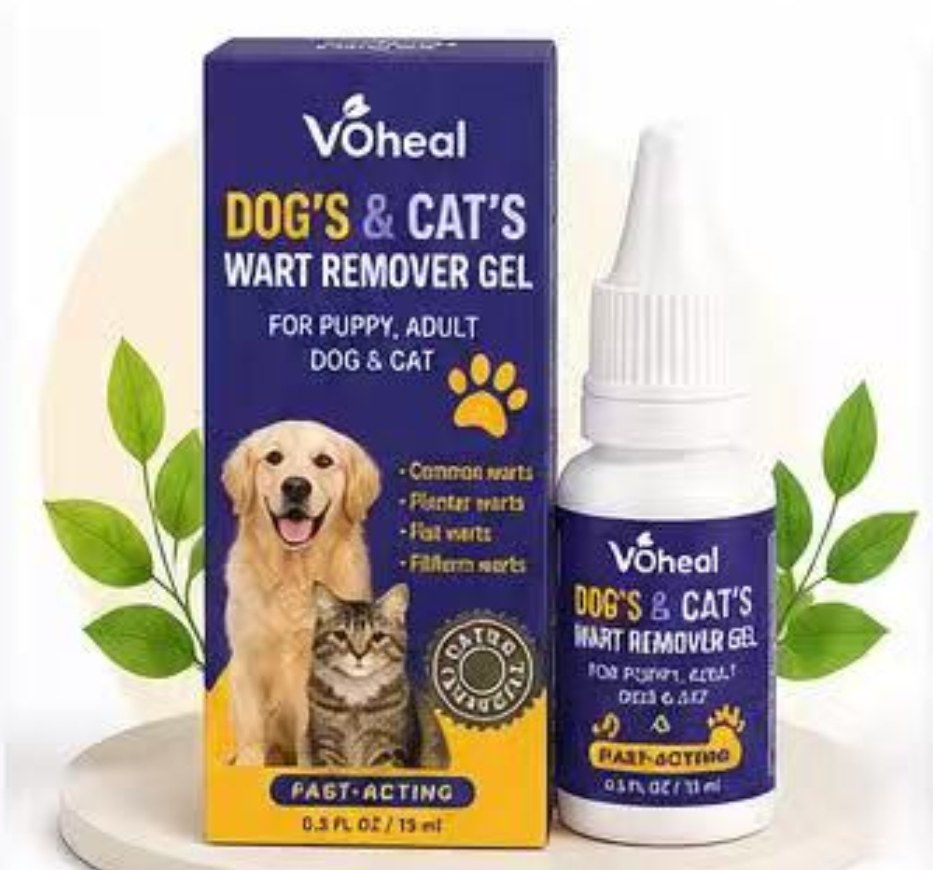
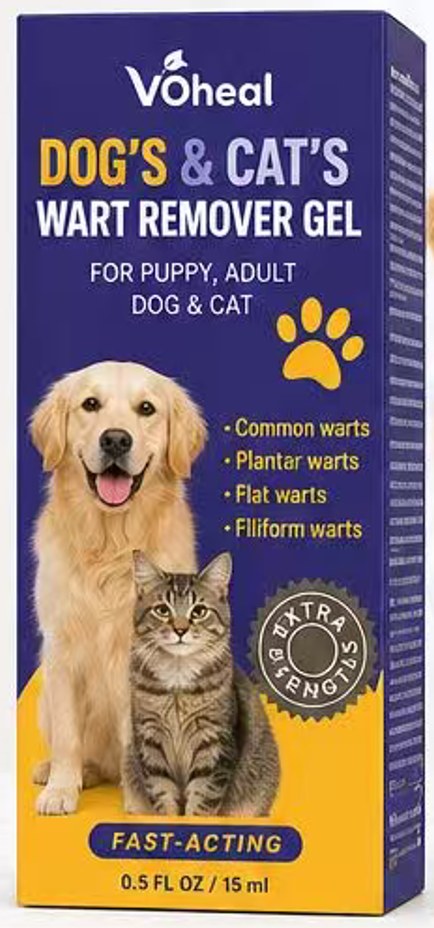
One product family sits outside both human monographs entirely. A wart remover gel marketed for dogs and cats is a veterinary product, and human monograph conformity is simply not the applicable test. It is still a regulated product in its own right, and the claim taxonomy it uses – common, plantar, flat, and filiform warts – is the full dermatological list rather than the two-type human monograph list.
2. The US fast lane: OTC monographs and how a white-label entrant uses them
For a company bringing a private-label wart remover or anti-fungal to the United States, the most valuable piece of regulatory knowledge is that a compliant product does not need a New Drug Application. Section 505G of the Federal Food, Drug, and Cosmetic Act, added by the CARES Act in March 2020, created the administrative order process that replaced OTC monograph rulemaking. Under it, a drug conforming to the conditions of the applicable final order is deemed generally recognised as safe and effective, is not a new drug, and requires no NDA.
The economics of that route were made explicit when clotrimazole was added to the topical antifungal monograph in 2002. FDA’s own rule notes that clotrimazole “has been marketed OTC in the United States since 1989 under new drug applications,” and that the amendment “allows current manufacturers of these products to market their products under the OTC drug monograph instead of an NDA and enables other manufacturers who wish to market clotrimazole products OTC to enter the marketplace without having to obtain an NDA.” The relabelling cost published in that rule was modest: two to three thousand dollars per stock-keeping unit, fewer than ten manufacturers or distributors, roughly twenty-five affected SKUs, and a total one-time industry cost of fifty to seventy-five thousand dollars. That is the number to hold in mind when a supplier quotes a large “US regulatory fee.”
Conformity, however, is the entire test. The active ingredient identity and concentration, the vehicle, the indication wording, the warning wording, the direction wording, and the Drug Facts format must all match the order. Section 330.1(c)(2) is explicit that the “Uses” section may contain only the monograph indications and that all other monograph-specified labelling must appear in the exact quoted language – the provision white-labelers most often break, usually without realising it. Being on the monograph is also not the same as being finished: Section 330.1(a) and (b) still require manufacture in compliance with 21 CFR Parts 210 and 211 cGMP, and require the establishment to be registered and the product listed under 21 CFR Part 207, which is where the NDC number comes from. In a private-label structure the brand owner typically files the listing while the contract manufacturer holds the cGMP registration.
Buyers should also insist on the current order rather than the older codified text. FDA has stated its intent to withdraw the final-monograph regulations in Parts 331 to 358 in favour of the posted orders, so a dossier built from a PDF of the CFR rather than the live order will need rebuilding.
3. Reading a monograph: actives, vehicles, concentrations and labelling
The value of a monograph is that it tells you exactly what is permitted, and the specifics are more prescriptive than most buyers expect. For wart removers, 21 CFR 358.110 permits one active ingredient only: salicylic acid, and the permitted concentration depends on the vehicle.
| Active ingredient | Concentration | Vehicle | Authority |
|---|---|---|---|
| Salicylic acid | 12-40 % | plaster vehicle | 21 CFR 358.110(a) |
| Salicylic acid | 5-17 % | collodion-like vehicle | 21 CFR 358.110(b) |
| Salicylic acid | 15 % | karaya gum, glycol plaster | 21 CFR 358.110(c) |
| Clotrimazole | 1 % | cream, lotion, solution, aerosol | 21 CFR 333.210(g) |
| Miconazole nitrate | 2 % | topical | 21 CFR 333.210(c) |
| Tolnaftate | 1 % | topical | 21 CFR 333.210(e) |
| Undecylenic acid and its calcium, copper and zinc salts | 10-25 % total undecylenate, any ratio | topical | 21 CFR 333.210(f) |
| Clioquinol | 3 % | topical | 21 CFR 333.210(a) |
| Haloprogin | 1 % | topical | 21 CFR 333.210(b) |
| Povidone-iodine | 10 % | topical | 21 CFR 333.210(d) |
Two widely repeated assumptions need correcting, because both turn up in supplier conversations. There is no lactic acid option in the human OTC wart remover monograph – salicylic acid is the only permitted keratolytic there. And terbinafine at one percent is not an OTC monograph active; those products are marketed under New Drug Applications. Miconazole nitrate is two percent, not one.
The vehicle is not a packaging preference; the monograph ties the legal concentration band to it. The 1994 amendment recorded for the wart remover monograph uses the term directly, noting that the drop of water in the plaster “helps facilitate the initiation of the keratolytic action when the salicylic acid is applied,” and that the karaya gum vehicle “minimizes the potential for irritation associated with” the mild abrasion from the emery file supplied with the product. Move the same active from a plaster to a collodion-like vehicle and you have changed the permitted concentration band, the required warnings, and the directions.
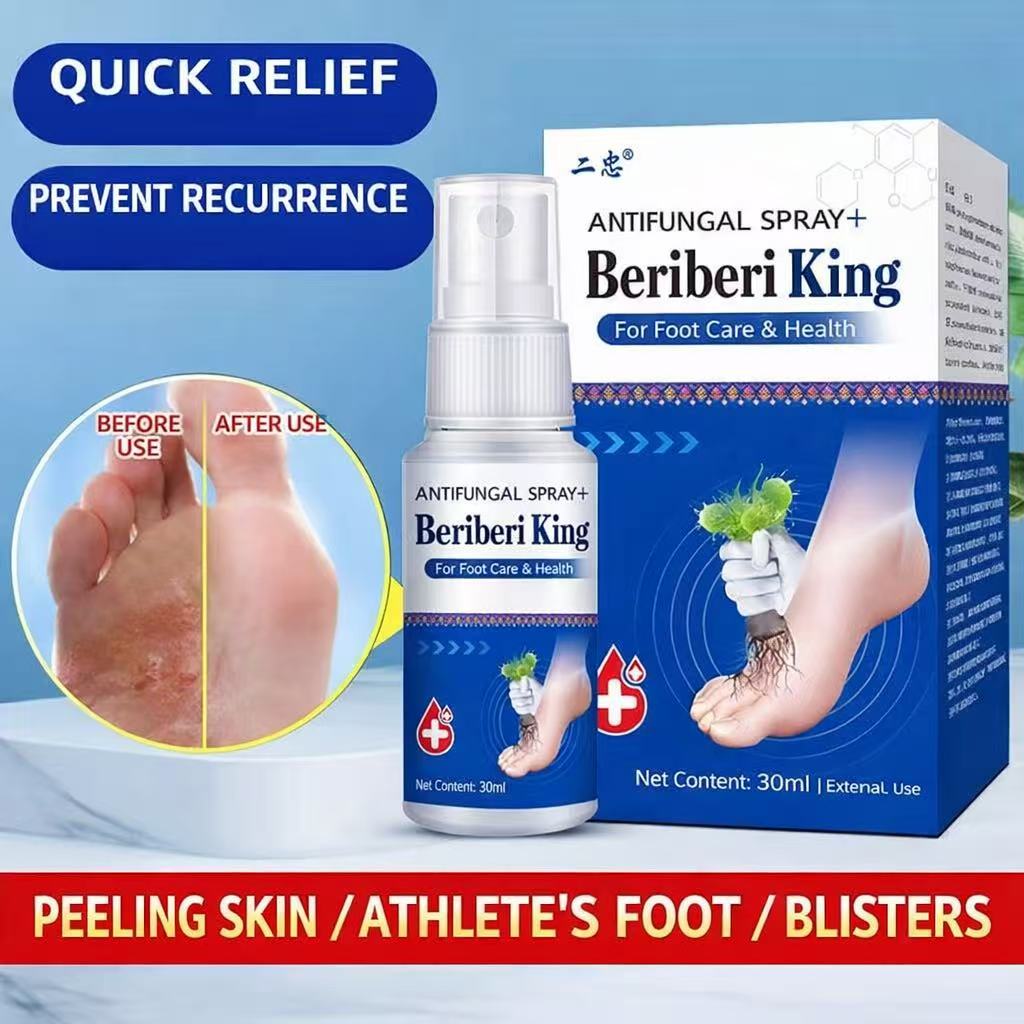
The labelling is prescribed in similar detail. For wart removers, 21 CFR 358.150 permits exactly two indication statements, prescribes the warnings (“For external use only”; do not use on irritated or reddened or infected skin; do not use on moles, birthmarks, warts with hair growing from them, genital warts, or warts on the face or mucous membranes; if discomfort persists, see your doctor), and sets the treatment course at “up to 12 weeks.” For anti-fungals, 21 CFR 333.250 permits a defined set of indication verbs – “Treats,” “For the treatment of,” “Cures,” “For the cure of,” “Clears up,” and “Proven clinically effective in the treatment of” – against the three tinea indications, plus symptom-relief claims such as “Relieves itching” or “Soothes scaling.” Prevention claims are the narrowest: under 333.250(b)(2) they are available only for tolnaftate.
The consequence for a buyer is a single question that separates suppliers: for this SKU, in this market, what is the active, at what concentration, in which vehicle, and where is the document that permits exactly that combination? A supplier who cannot answer with a document has not done the work.
4. The label is the legal document
In over-the-counter topicals the label is the regulatory instrument, and for a monograph product it is the thing being tested. Section 201.66 sets out the Drug Facts format: mandatory order and headings, minimum type sizes of 8 points for headings and 6 points for subheadings, square or circle bullets, and a barline around the panel. If required content exceeds sixty percent of the available surface area, the reduced-type rules apply.
Three provisions matter disproportionately for a white-label buyer. First, section 330.1(g) requires the general warning “Keep out of reach of children” in bold, and for topical drugs not intended for oral ingestion the accidental-ingestion warning – these are not optional brand flourishes. Second, section 330.1(c)(2) prohibits substituting your own wording for anything the monograph quotes: the marketing team cannot rewrite the directions, and “for up to 12 weeks” cannot become “two weeks of daily use.” Third, section 201.66(c)(8) permits cosmetic-style inactive-ingredient listing under 21 CFR 701.3 for a drug product that is also a cosmetic, but the Drug Facts provisions prevail on conflict.
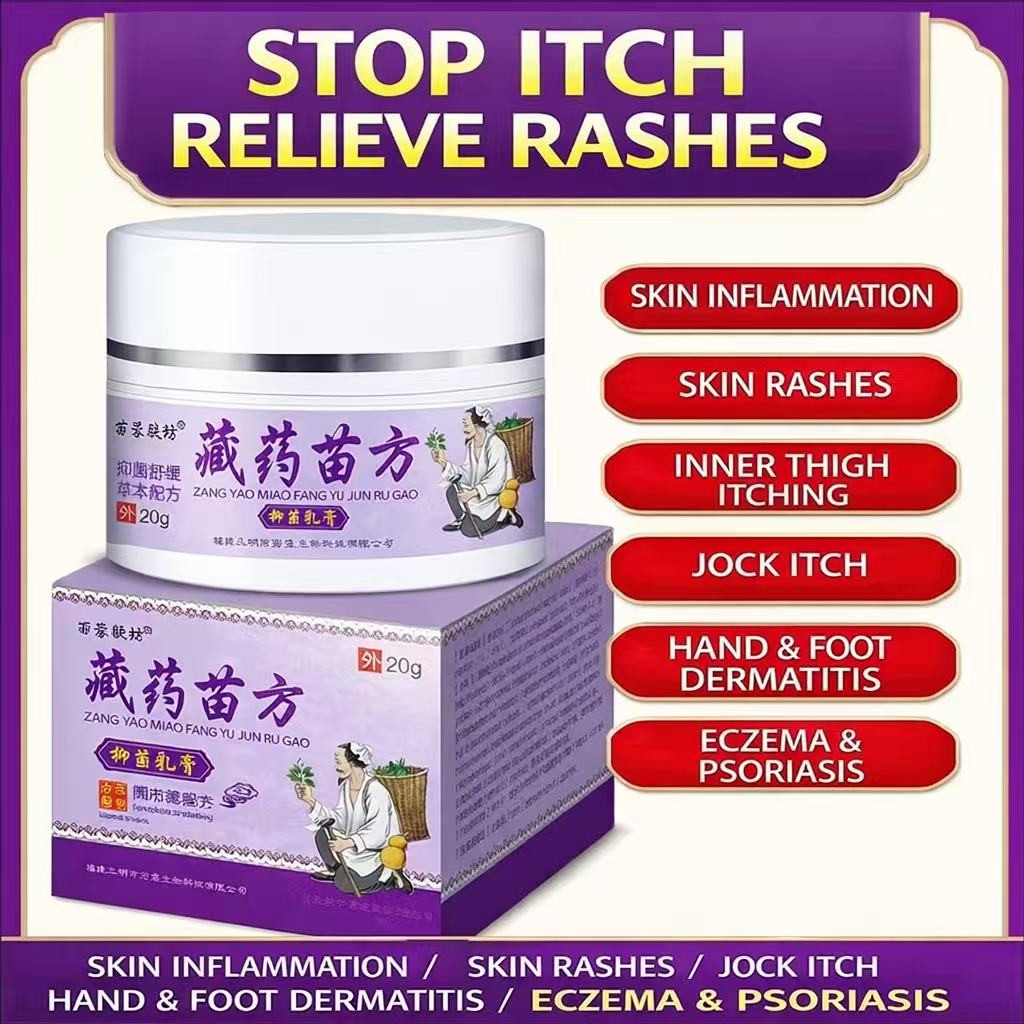
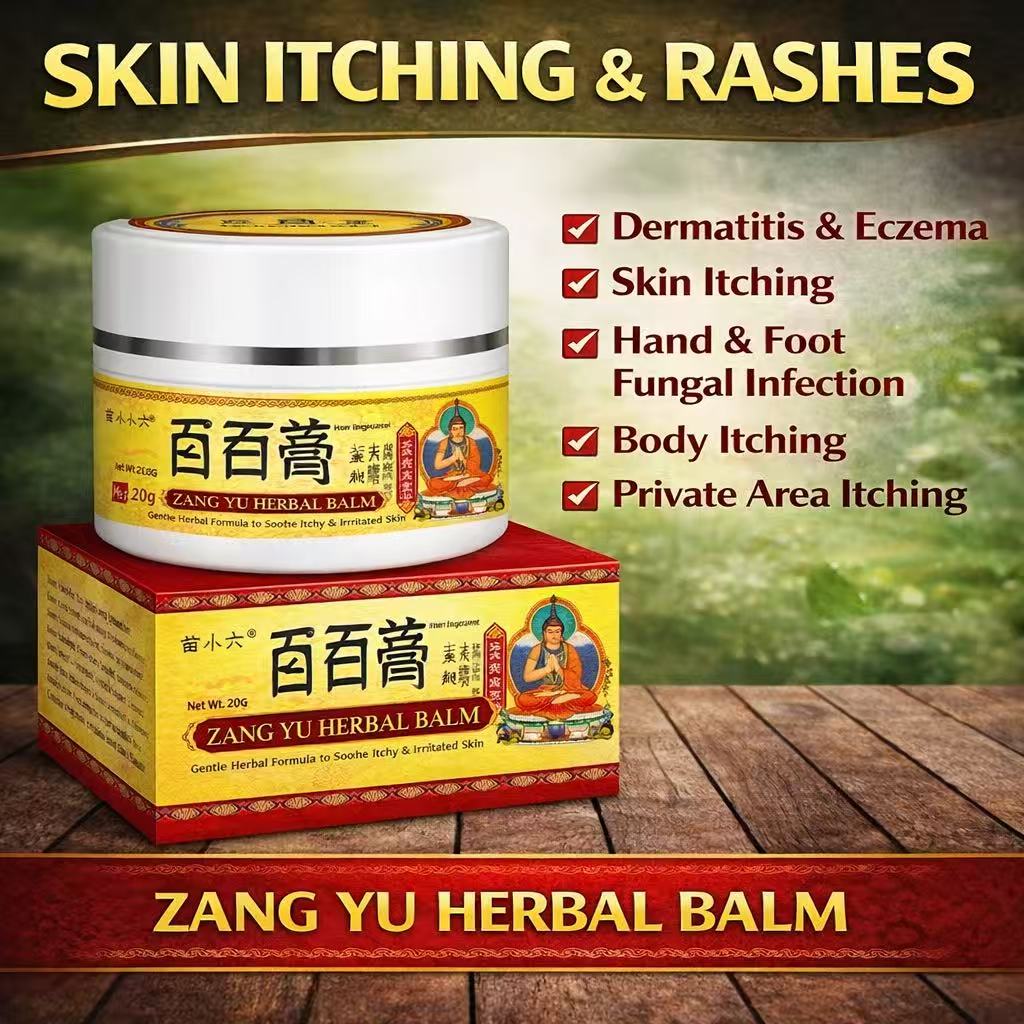
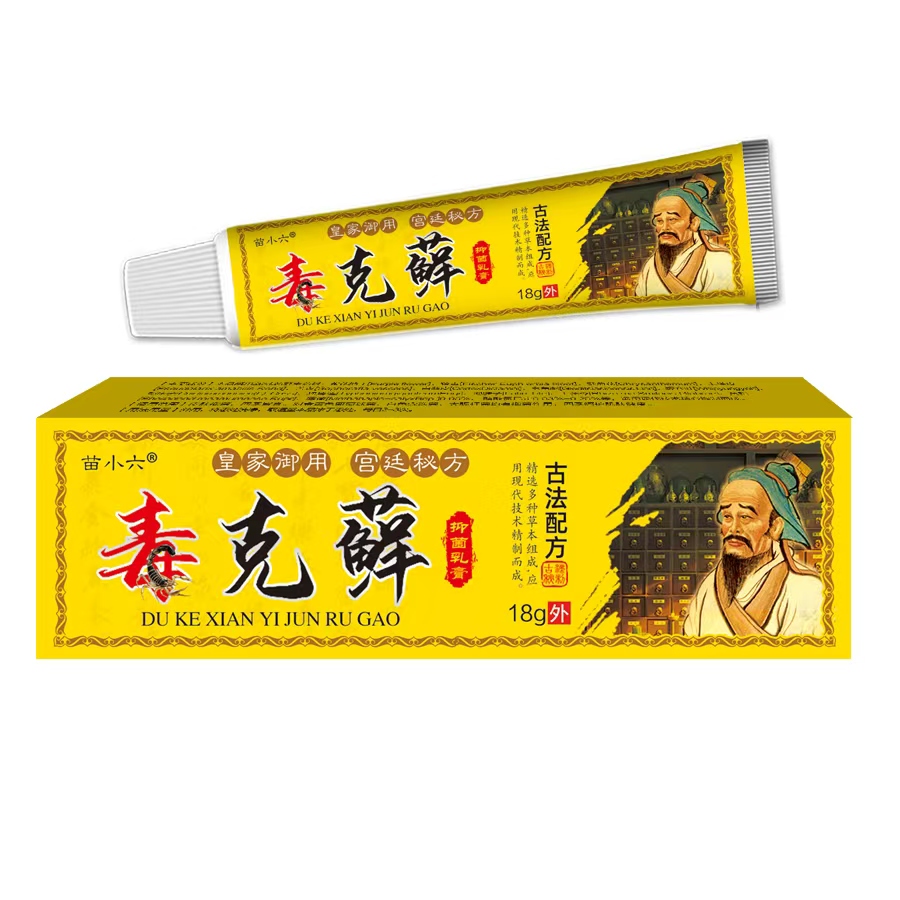
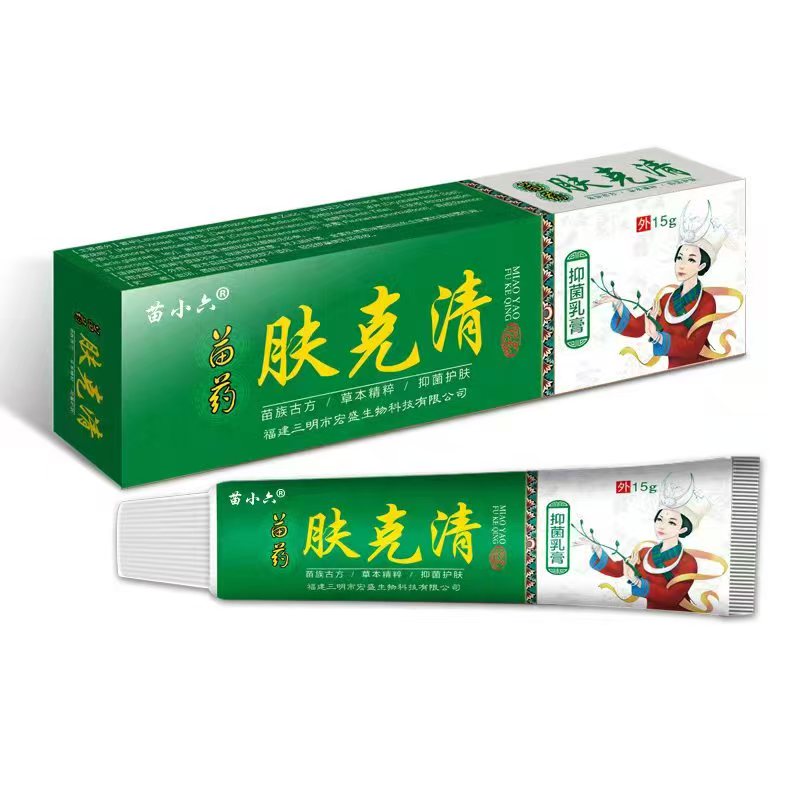
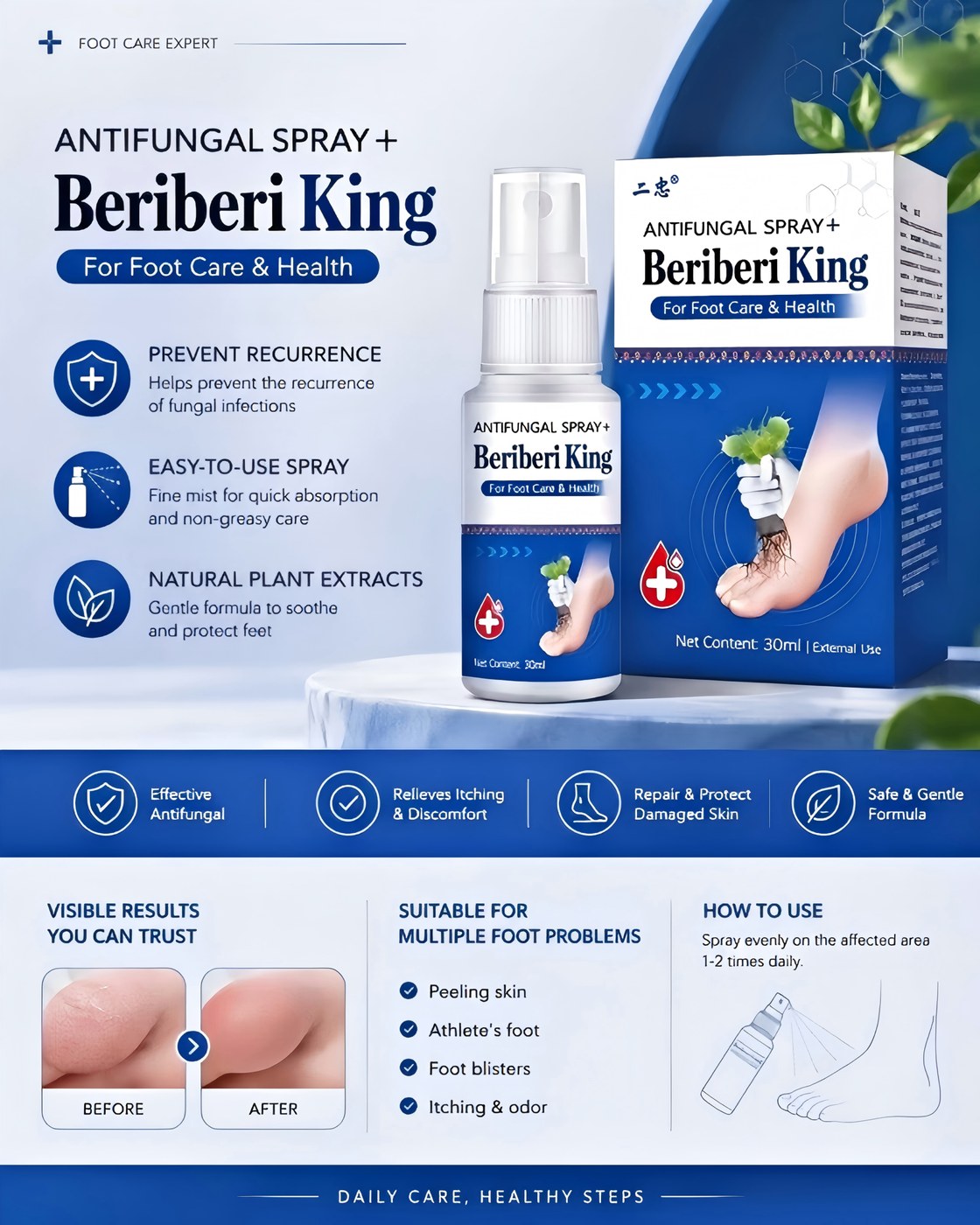
This is where the artwork of most OTC skincare products in this category creates exposure. Panels promising eczema, psoriasis, dermatitis, skin inflammation, private-area itching, or antibacterial action go well beyond what the antifungal monograph authorises, and “prevents recurrence” is a prevention claim reserved for tolnaftate. A buyer placing an order in the United States should have the artwork read against 333.250 and 358.150 word by word, and should expect to change it. That is a normal part of the process rather than a sign of a bad supplier – but it is a cost and a delay, and it is better to price it in.
5. The European Union: one word decides which regime your product lives in
In the European Union the classification question is sharper than in the United States, because the two regimes are mutually exclusive and the deciding factor is the claim rather than the formulation.
A medicinal product, under Article 1(20) of Directive 2001/83/EC, is any substance or combination of substances presented as having properties for treating or preventing disease in human beings, or which may be administered with a view to restoring, correcting or modifying physiological functions by exerting a pharmacological, immunological or metabolic action, or to make a medical diagnosis. A cosmetic product, under Article 2(1)(a) of Regulation (EC) No 1223/2009, is any substance or mixture intended to be placed in contact with the external parts of the human body with a view exclusively or mainly to cleaning, perfuming, changing their appearance, protecting them, keeping them in good condition, or correcting body odours.
The boundary is therefore a wording problem. “Treats ringworm,” “cures athlete’s foot,” “kills fungus,” “antibacterial,” “heals infection” and “disinfects” place the product in the medicinal regime. “Moisturises,” “protects,” “keeps skin in good condition,” “softens rough skin” and “removes the appearance of” keep it in the cosmetic regime. Commission Regulation (EU) No 655/2013 sets the common criteria for cosmetic claims, and its most useful clause for a manufacturer is the evidential one: adequate and verifiable evidence must exist for each claim and must be consistent with the documentation in the Product Information File. A claim that cannot be evidenced in the PIF should not be printed.
The cosmetic route carries a defined documentary package. Article 13 requires the responsible person to notify the Commission before placing the product on the market, submitting the product and category names, the responsible person’s details, country of origin for imports, the Member State of placing on the market, nanomaterial information, the names and CAS or EC numbers of any category 1A or 1B CMR substances, and the frame formulation enabling appropriate medical treatment in the event of difficulties. Article 10 requires a Cosmetic Product Safety Report drawn up under Annex I, with a safety assessor holding a diploma in pharmacy, toxicology, medicine or a similar discipline. Article 11 requires the Product Information File, kept for ten years following the placing on the market of the last batch. Article 19 sets the labelling: the responsible person’s name and address, nominal content, date of minimum durability or the period after opening where durability exceeds thirty months, precautions, the batch number, the function of the product unless clear from presentation, and the ingredient list in descending order of weight at the time of addition, preceded by the term “ingredients” or “Inci”.
For a medicinal product the European route is a marketing authorisation – commonly national authorisation in one Member State, extended by the mutual recognition or decentralised procedure under Article 28, which provides for a 90-day assessment report by a reference Member State, or a centralised Union authorisation under Regulation (EC) No 726/2004. The holder of the authorisation carries the legal duties; a contract manufacturer may produce under contract, but it does not hold the authorisation.
Two ingredient traps catch buyers here. Salicylic acid appears in Annex III of the Cosmetics Regulation with a maximum concentration in the ready-for-use preparation of 3.0 percent for rinse-off hair products, 2.0 percent for other products other than the listed exceptions, and 0.5 percent for body lotion and the specified eye and lip products – and the entry expressly states that it is “not to be used in preparations for children under 3 years of age” and “not to be used in applications that may lead to exposure of the end-user’s lungs by inhalation.” That last clause is directly relevant to any fine-mist body or foot spray.
6. China: filing, registration, and the ban on medical claims
China runs a distinct regime, and for an export manufacturer it is often the most familiar one – which is exactly why the export-side rules are easy to overlook.
The Cosmetics Supervision and Administration Regulation, State Council Order No. 727, adopted on 3 January 2020 and in force from 1 January 2021, defines cosmetics in Article 3 as products applied to the skin, hair, nails or lips for the purposes of cleaning, protecting, beautifying or modifying. Article 4 splits the category into special cosmetics, which are registered, and ordinary cosmetics, which are filed, with Article 16 defining the special categories – hair dyeing, perming, freckle and whitening, sun protection, anti-hair-loss, plus cosmetics claiming new efficacies. Article 17 sets the routes: special cosmetics must be registered before production or import, and imported ordinary cosmetics must be filed with the National Medical Products Administration before import.
Two articles are worth memorising if you export to China. Article 37 prohibits label content that expressly or impliedly asserts a medical effect, and Article 43 imposes the same prohibition on advertising – so a “treats psoriasis,” “cures ringworm,” or “antibacterial” claim on a Chinese-market cosmetic label is not a soft risk, it is prohibited content. Article 22 requires efficacy claims to be supported by adequate scientific basis, with the registrant or filer publishing the supporting data or a summary of the efficacy evaluation on the designated NMPA website. Article 29 requires production under the NMPA cosmetic production quality management specification, covering supplier selection, incoming raw-material inspection, in-process and quality control, product testing, and retention-sample systems. Article 28 governs contract manufacturing: the registrant or filer must appoint a licensed manufacturer and oversee its production.
For a product that is genuinely a drug rather than a cosmetic, the route is different again: non-prescription drugs in China are split into Class A and Class B, where Class A products must be sold under the supervision of a pharmacist in a licensed pharmacy and Class B products may in general be sold through approved retail outlets. That retail-channel split is the dimension that matters to an OTC exporter. It is worth noting that the “dual channel” policy sometimes discussed in Chinese health policy is a reimbursement mechanism for negotiated drugs, not an OTC listing category, and the two should not be conflated.
7. Manufacturing, quality systems and stability
Which quality standard applies is determined by classification, not by ambition, and misapplying one is a common and expensive error.
For a US OTC drug, 21 CFR Parts 210 and 211 cGMP govern, together with establishment registration and product listing under Part 207. For a European medicinal product, EudraLex Volume 4 applies, which carries a dedicated Annex 9 covering the manufacture of liquids, creams and ointments – the directly relevant chapter for this product family. For a European cosmetic, Article 8 of the Cosmetics Regulation requires good manufacturing practice, with compliance presumed where manufacture follows the relevant harmonised standard, which is ISO 22716:2007. In China, Article 29 of Order 727 points to the NMPA cosmetic production quality management specification.
ISO 13485 is the quality management standard for medical devices and is not the appropriate system for either an OTC drug or a cosmetic. A supplier that offers an ISO 13485 certificate to evidence the quality of a wart cream has made a category error, and a buyer should treat that certificate as irrelevant to the SKU.
Stability follows the same logic. For a drug, ICH Q1A(R2) is the recognised framework, with a long-term condition of 25 degrees Celsius plus or minus 2 degrees at 60 percent relative humidity and an accelerated condition of 40 degrees plus or minus 2 degrees at 75 percent relative humidity, on a minimum of three primary batches. There is no ICH stability protocol for cosmetics; the binding European requirement is the Cosmetic Product Safety Report supporting the durability and period-after-opening claims made under Article 19(1)(c). For a water-based cream, the microbiological half of the specification is equally load-bearing: microbial enumeration and specified-organism testing, with a preservation challenge test, are what justify the preservation system and the shelf-life claim.
The final quality point separates a real manufacturer from a blender. A base is a blend; a product is a base with a validated preservative system, a validated manufacturing process, a specification, and a stability dataset. Ask whether the factory can show you the challenge-test result for the finished pack at the finished fill volume, and whether that data covers the packaging you intend to ship in. A cream in a jar and the same cream in a tube have different water-loss behaviour, and a shelf-life claim validated in one pack does not transfer automatically to the other.
8. Cream, ointment, gel or spray: why the vehicle is a regulatory variable
Buyers often treat format as a marketing choice. In this category it is a regulatory variable that changes what you may claim and how you must label.
A cream is an oil-in-water emulsion that is spreadable and absorbs readily; an ointment is typically an emulsion with a higher oil phase, more occlusive, more protective, and slower to absorb; a gel is a water-based semisolid that spreads easily and dries quickly; a spray delivers a fine mist that reaches a wider area with less contact and is the preferred format for the scalp, the back, between the toes, and for large body areas.
Two format-specific regulatory facts deserve attention. The first is the aerosol versus pump distinction. Under the antifungal monograph, 333.250(d)(1) permits the word “spray” to replace the word “apply” for aerosol products, and an aerosol is defined elsewhere in the same part as packaged “in a pressurized container with suitable inert gases.” A trigger pump is not an aerosol, and European cosmetic labelling rules draw the same line explicitly when they carve out “propellant and pump spray products.” So the format determines not only the closure but also the wording you are permitted to use.
The second is inhalation. A fine-mist body or foot spray raises an exposure question that the regulation answers explicitly: the EU salicylic acid entry states that it is not to be used in applications that may lead to exposure of the end-user’s lungs by inhalation. Buyers who plan a fine-mist body spray should ask for the inhalation assessment, not just the dermatological one.
Spray hardware is also worth specifying precisely. The widely used 28/410 designation denotes a 28 millimetre neck finish carrying the SPI 410 thread, and it is a closure-and-neck pairing rather than a bottle-only designation; matching finishes typically include 28/410 and 28/415 with different closure heights. The pump orifice and dip-tube geometry are chosen against the viscosity of the product, which means the spray pattern is a formulation-and-closure pairing decision rather than a packaging-only one. Specifying only the bottle and leaving the actuator open produces a product that either will not pump or will atomise too finely for a topical liquid. As a separate OEM line, VOHEAL also supplies the closure itself — see the 28/410 fine mist trigger sprayer — for brands that want to decouple the hardware from the formulation.
9. The documentation trail a buyer should request
Because the regulatory value of a topical product is invisible, the paperwork is part of the product. A reliable supplier assembles a documentation trail before the first order rather than after a regulator’s question, and that trail is the fastest way to compare suppliers who otherwise look identical.
For each SKU and each target market, expect the bill of materials with the active ingredient and its concentration; the finished-product specification including pH, appearance, viscosity, and fill weight; the raw material specifications and supplier qualification records; the manufacturing process description and in-process controls; the stability dataset for the finished pack in the pack you will ship; the microbiological results and the preservation challenge test report; the artwork and the claim substantiation behind each claim printed on it; and the market-authorisation evidence – for the United States, the establishment registration and product listing plus a conformity statement against the current OTC monograph order; for the European Union, either the marketing authorisation with its assessment report, or the cosmetic notification acknowledgement, the Product Information File, and the Cosmetic Product Safety Report; for China, the filing or registration certificate and the efficacy-claim evaluation summary. Confirm that the file covers the configuration being supplied, because a certificate for an earlier formulation or an earlier pack does not cover a redesign.
Then close the loop with a sample and a first-article comparison. The approved sample should match the documented model, and the first commercial shipment should match the sample. Buyers who compare fill weight, texture, closure fit, label copy, and carton markings against the documentation catch more problems than buyers who trust a certificate alone.
10. OEM/ODM and private label
For distributors and brands that want their own identity on the shelf, OEM and private-label capability is the difference between reselling a commodity and building an owned product line. The scope of customisation is where suppliers separate, and it is worth testing that scope early rather than discovering its limits after a launch.
Typical private-label work covers the active ingredient and concentration selected for the target market, the base and sensory profile, the closure and pack – tube, jar, sachet, dropper bottle, trigger sprayer, or aerosol – fill volume, the label artwork and language versions, the carton and case configuration, and the accessory set included in the box. Deeper ODM work goes into formulation development, which is best supported by a manufacturer that controls its own compounding rather than buying in a base.
Two questions reveal a great deal about a supplier’s real capability. The first is artwork control: how is your artwork approved and locked, how is a misprint prevented from reaching the whole production run – and who owns the claim substantiation that sits behind the words on the label? The second is change control: what happens to your approval when the supplier changes an active supplier, a preservative system, or a closure? A capable partner welcomes these questions, because the answers are what keep a branded order consistent from the first shipment to the tenth.
One point deserves emphasis for anyone selling into more than one market. The same SKU cannot usually be the same product in every market. A formulation that carries an antifungal indication in the United States, a cosmetic claim in the European Union, and a filed ordinary cosmetic in China needs three different labels, and in most cases two different regulatory files and at least one different concentration. A supplier who proposes one global artwork for all of them is proposing a product that will be non-compliant somewhere.
11. MOQ, pricing, packaging and logistics
Minimum order quantities, packaging, and logistics are where a supplier’s capabilities become concrete. A low MOQ is convenient, but if it comes with a different base, a different closure, or relaxed quality control, the saving is illusory. Try to understand what the MOQ corresponds to – a full compounding batch, a closure tooling run, or a shared order – and the answer will tell you how stable the specification will be.
Packaging is where regulation and commerce meet. The retail packaging must carry the marking the destination market requires: in the United States the Drug Facts panel on the container itself, in the European Union the Article 19 particulars including the responsible person’s name and address, the batch number, the period after opening, and the ingredient list, and in China the registrant, filer, manufacturer and production licence numbers, the full ingredient list, and the use period. Carton configuration then feeds directly into landed cost, and these are bulky, relatively low-value products: a 20 g jar shipped at 300 pieces per carton in a 69 x 35 x 40 cm box at 22 kg gross is a very different freight profile from a 15 ml dropper bottle shipped at 400 per carton in a 49 x 47 x 32 cm box at 12 kg. Delivery options typically run carton, carton on pallet, and carton in a wooden case.
On the logistics side, watch the classification of the goods. An OTC medicinal product, a cosmetic, and a veterinary product can travel in the same carton and be handled by the same freight forwarder, but they are declared differently and the documents differ. Getting the declaration right at the start is far cheaper than getting it corrected at the border.
Common pitfalls buyers should avoid
- Treating a wart remover and an anti-fungal as interchangeable. They are different monographs with different actives, indications, and directions, and a product outside both is an unapproved new drug in the United States.
- Believing the marketing copy is the label. Artwork promising eczema, psoriasis, dermatitis, skin inflammation, private-area itching, antibacterial action, or “prevents recurrence” typically exceeds the monograph, and the excess has to be removed before the product can be sold lawfully in the United States.
- Assuming one artwork works globally. The claim decides the classification in the European Union, and China prohibits medical-effect claims on cosmetics outright.
- Choosing a format without checking the vehicle rules. Concentration bands, warnings, and directions are tied to the vehicle, and the inhalation bar on salicylic acid constrains fine-mist body sprays.
- Accepting an ISO 13485 certificate as evidence for a topical. The relevant systems are 21 CFR 211 cGMP, EudraLex Volume 4 Annex 9, or ISO 22716 depending on classification.
- Underestimating the shelf-life work. A preservation challenge test on the finished pack, in the pack you will ship, is what supports the shelf-life claim.
- Skipping the sample-to-production check and the first-article comparison. The sample proves intent; only the production audit and the first shipment prove consistency, and fill weight, closure fit, artwork copy, and carton marks are where real discrepancies appear.
Related reading from VOHEAL
Buyers building a broader private-label health-care range often start with the topical family above and then add device lines that run on the same private-label, testing and documentation workflow:
- Oxygen Concentrator Manufacturer & Wholesale Supplier — how to verify output performance, altitude derating, alarm coverage and sieve-bed lifetime before you buy in bulk.
- Infrared Ear Thermometer Manufacturer & Wholesale Supplier — reading the spec sheet across ear, forehead and object modes, and the regulatory route for clinical thermometers.
- FFP3 Respirator Mask Manufacturer & Wholesale Supplier — tracing filtration performance back to EN 149 testing rather than trusting the class label.
- Fingertip Pulse Oximeter Manufacturer & Wholesale Supplier — the documentation trail a buyer should request for a physiological-parameter monitor.
Conclusion
An over-the-counter wart and anti-fungal topical is a regulated product sold into a market where the wording on the carton carries legal weight, and the suppliers worth partnering with are the ones who can show you the permitted active and concentration for the market you are selling into, the vehicle and labelling that go with it, the market-authorisation evidence for the configuration being shipped, and a production record demonstrating that the goods match the paperwork. Everything else, including the price, is easier to negotiate once those three pillars are in place.
B2B buyers evaluating an OTC topical programme are welcome to contact us with their destination market, intended claims, preferred format, and estimated volume. We can share model specifications, available documentation, packaging and private-label options, and sample arrangements, so that the decision is made on evidence rather than on a claim panel.
Frequently Asked Questions
Is a wart removal cream the same product as an anti-fungal cream?
No. They are separate over-the-counter monographs with different permitted active ingredients. Wart removers are keratolytics, and the US monograph covers only common and plantar warts. Topical anti-fungals act on dermatophyte infections and the monograph covers athlete’s foot, jock itch, and ringworm. Using one in place of the other is both a misuse of the monograph and clinically ineffective.
Can the same product be sold in the United States, the European Union, and China?
Usually not with one label. In the United States the Uses section may contain only the monograph indications. In the European Union the claim decides whether the product is a medicinal product requiring an authorisation or a cosmetic requiring notification, a Product Information File, and a safety report. In China, cosmetics may not assert a medical effect. Expect three artwork versions, and in many cases two regulatory files and at least one different concentration.
Does the label really have to use the exact monograph wording?
Yes. The OTC general conditions permit only the monograph indications in the Uses section, and everything else the monograph specifies must appear in the quoted language. That is why the warnings, the direction wording, and the treatment duration cannot be rewritten by a marketing team, and why the Drug Facts format and its minimum type sizes are a design constraint rather than a preference.
What documentation should I ask a supplier for before ordering?
For each SKU and market: the bill of materials with active and concentration; the finished-product specification; the stability and microbiological data for the finished pack; the artwork with the claim substantiation; and the market-authorisation evidence – US establishment registration and listing plus a conformity statement against the current OTC monograph order, an EU marketing authorisation or the cosmetic notification and Product Information File, or the Chinese filing or registration certificate.
How long should a topical product last on the shelf, and how is that justified?
For a drug, ICH Q1A(R2) provides the framework – long-term and accelerated storage on a minimum of three batches. For a water-based cream, the microbial enumeration and specified-organism results together with a preservation challenge test justify the preservative system and the shelf-life claim. Cosmetics have no equivalent harmonised protocol; in the European Union the Cosmetic Product Safety Report must support the durability and period-after-opening claims.
Is a pet wart remover regulated the same way as a human one?
No. Veterinary products follow a different lane entirely, and the human OTC monographs are not the applicable test. The claim vocabulary also differs – pet wart products commonly address common, plantar, flat, and filiform warts, while the human monograph recognises only common and plantar warts. Confirm the destination market’s requirements for veterinary and pet-care products separately.
Where can I find a reliable OTC topical manufacturer?
Request the documentation listed above for the exact SKU and market, request samples in the pack you intend to ship, and compare the first commercial shipment against both. A supplier who can provide the market-authorisation evidence, the formulation file, and a consistent production record is easier to trust than one who cannot.